Stair Lifts: Prices, Types, Installation and How to Choose the Right One
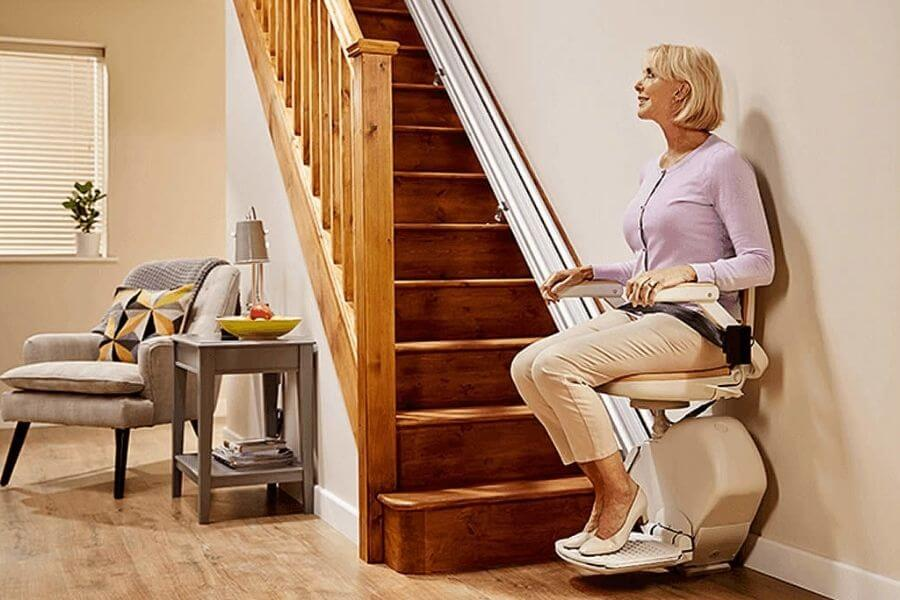
Stair lifts are motorised mobility devices designed to help people travel between floors without climbing stairs. They are particularly useful for older adults, people with disabilities and individuals recovering from injuries that affect their mobility. By providing a convenient way to reach upstairs bedrooms, bathrooms and living spaces, stair lifts can help people maintain their independence and continue living comfortably in familiar surroundings.
Most stair lifts consist of a motorised chair attached to a rail fitted along the staircase. Users sit on the chair, fasten the seatbelt and operate the lift using simple controls. Safety sensors, folding footrests and swivel seats provide additional convenience. Many modern models use rechargeable batteries, allowing them to operate during certain power interruptions, depending on the battery condition and manufacturer’s specifications.
Different Types of Stair Lifts
Straight stair lifts are designed for staircases without bends or intermediate landings. Their straightforward rail systems generally make installation simpler than that of curved models. They can be a practical choice for households with standard staircases, offering convenient access between floors. Before selecting a model, homeowners should arrange a professional survey to check staircase width, landing space, seating requirements and whether sufficient room remains for other household members.
Curved stair lifts are designed for staircases with corners, bends, spiral sections or intermediate landings. Their rails are manufactured to follow the staircase’s specific shape, making installation more complex. Outdoor stair lifts provide another option for garden steps, raised entrances and external staircases, using weather-resistant materials to withstand outdoor conditions. Standing and perch models may suit certain users, although their suitability depends on balance, posture and the ability to use them safely.
How Much Do Stair Lifts Cost in the UK?
The cost of stair lifts depends on staircase design, equipment specifications, installation requirements and additional features. Straight models are generally less expensive than curved options because their rail systems are simpler to manufacture. Curved staircases often require bespoke rails, which can increase the purchase price and preparation time. Since prices vary between suppliers and models, homeowners should request current quotations rather than relying solely on advertised starting prices.
The initial purchase price is only one part of the overall expense. Buyers should also consider installation, servicing, repairs, replacement batteries and extended warranty options. Reconditioned models may offer savings, while renting can be useful when mobility assistance is needed temporarily. Before making a decision, request an itemised quotation explaining what is included, whether removal charges apply and how much ongoing maintenance could cost.
How to Choose the Right Stair Lift for Your Home
Choosing the right stair lift begins with understanding the user’s mobility needs and the layout of the property. Consider whether the person can sit comfortably, transfer safely onto the seat and operate the controls confidently. Staircase width, doorway positions and available space at the top and bottom also influence which models may be suitable. A professional home assessment can identify potential obstacles and help ensure the equipment meets the user’s requirements.
Comfort, safety and long-term reliability should be considered alongside price. Useful features include secure seatbelts, swivel seats, straightforward controls, obstruction sensors and folding footrests. Buyers should check the maximum weight capacity, warranty terms and availability of local servicing. The cheapest option is not necessarily the best choice if it lacks appropriate safety features or does not suit the user’s mobility needs.
Stair Lift Installation: What to Expect
Installation usually begins with a home survey to measure the staircase and assess the user’s needs. The supplier identifies bends, obstacles and available space before recommending an appropriate rail system. Many models attach their rails directly to the staircase rather than requiring extensive structural alterations, although the installation method depends on the building and equipment. Buyers should ask whether additional electrical work or property adjustments will be necessary.
Once the equipment is ready, a qualified installer fits the rail and chair, checks the operating system and tests the safety features. Many standard installations can be completed within a day, although curved models may require additional manufacturing time before fitting begins. The installer should demonstrate the controls, explain safe operation and provide relevant documentation. Before signing off the work, make sure you understand the charging arrangements, emergency procedures and contact details for repairs.
Essential Stair Lift Safety Features
Safety features help make stair lifts suitable for everyday use when the equipment has been correctly selected, installed and maintained. Common features include seatbelts, obstruction sensors, emergency stop controls and swivel seats that help users get off at a suitable landing position. Some models also include powered swivel mechanisms and remote controls. Comparing these features helps buyers identify options that provide meaningful benefits for their individual circumstances.
Safe operation also depends on following the manufacturer’s instructions and keeping the staircase clear of objects, loose cables and other obstructions. Users should never exceed the specified weight limit or attempt to bypass safety systems. Anyone experiencing difficulty transferring onto the seat should seek professional advice before using the equipment. Stair lifts should not be treated as emergency evacuation devices during a fire unless specifically designed and approved for that purpose.
Stair Lift Maintenance, Repairs and Servicing
Regular maintenance can help keep a stair lift reliable and identify potential problems before they become more serious. Owners should follow the manufacturer’s cleaning instructions, keep the rail clear and check that the equipment is charging as recommended. Unusual noises, unexpected movements, warning indicators or difficulties with the controls should not be ignored. If the equipment stops working, consult the user manual and contact the supplier instead of attempting complex electrical or mechanical repairs.
Professional servicing may include checking the rail, motor, battery, controls, safety sensors and moving components. Before buying, ask how often servicing is recommended and whether engineers are available in your area. Warranty coverage, replacement-part availability and emergency repair arrangements can make a significant difference to long-term ownership costs. Keeping installation documents and service records together can also make future maintenance and warranty claims easier to manage.
Buying New, Used or Reconditioned Stair Lifts
Buying a new stair lift provides access to current models, a choice of features and potentially comprehensive manufacturer support. However, the initial cost may be higher than purchasing reconditioned equipment. Reconditioned stair lifts can be worth considering when the budget is limited, provided the equipment has been inspected, tested and supplied with clear warranty information. Buyers should ask about the service history, battery condition and availability of replacement parts before making a commitment.
The rail system also requires careful consideration because a rail designed for another staircase may not fit the property. Renting can be a practical alternative for temporary needs, such as recovery following an injury. Before signing an agreement, compare rental payments, installation fees, maintenance arrangements, minimum contract periods and removal charges. Whether buying or renting, choose a reputable supplier that provides a professional survey, installation support and clear aftercare.
Grants and Financial Assistance for Stair Lifts in the UK
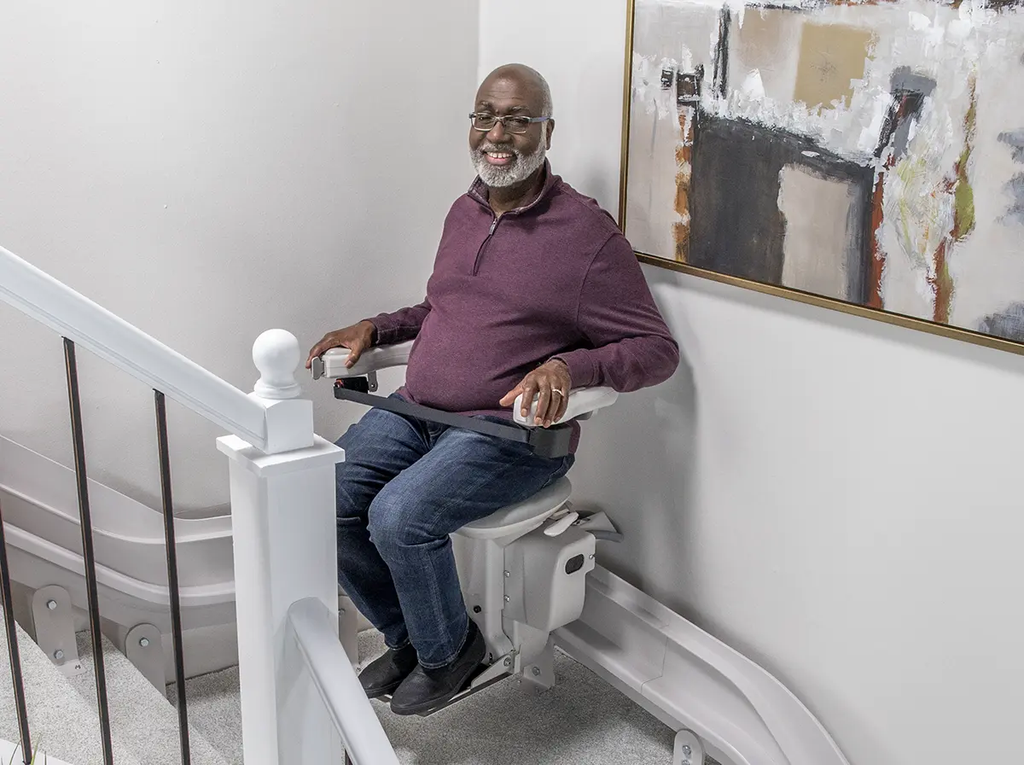
Some people may qualify for financial assistance towards accessibility improvements in their homes. In England, the Disabled Facilities Grant may help eligible applicants fund certain adaptations, subject to an assessment and the applicable eligibility rules. A local authority may assess whether a stair lift is appropriate and whether the proposed work meets the relevant requirements. It is important to investigate potential funding before committing to a purchase.
Funding arrangements can differ across England, Scotland, Wales and Northern Ireland, so contact the appropriate local authority or housing service for current guidance. Eligibility, available funding and application procedures depend on individual circumstances. An occupational therapist may also help assess mobility needs and recommend suitable adaptations. As financial assistance is not guaranteed, obtain official advice about the application process, required evidence and any contribution you may need to make.
Stair Lifts vs Home Lifts
Stair lifts and home lifts provide different ways to travel between floors. A stair lift carries a person along a rail fitted to the staircase, usually in a seated position. A home lift travels vertically between levels and may offer a more suitable solution for some people who use wheelchairs or cannot transfer safely onto a chair. However, home lifts generally involve different space, installation and budget considerations.
The best option depends on the building, the user’s mobility requirements and the amount of available space. Stair lifts may be suitable when someone can safely sit on the chair and get on and off at each landing. A home lift or another accessibility adaptation may be worth exploring when a stair lift cannot meet the person’s needs. A professional assessment can help compare the available options and identify a safe, practical solution.
Advantages and Disadvantages of Stair Lifts
One major advantage is that a stair lift can make upper floors accessible without requiring someone to climb stairs. It may help people continue living in familiar surroundings, maintain greater independence and reduce the need for major building alterations. Different designs can accommodate various staircase layouts, while features such as folding seats help preserve space when the equipment is not being used.
However, installation can be expensive, and the rail and folded seat occupy some staircase space. Ongoing maintenance and repairs can also add to the overall cost. Not every model suits every user or property, particularly when someone cannot transfer safely onto the seat. Carefully assessing mobility needs, staircase measurements and long-term expenses can help homeowners decide whether this solution is appropriate.
Conclusion
Stair lifts can help people with reduced mobility access different floors of their homes while supporting independence and everyday comfort. Straight, curved, outdoor and specialist models offer different solutions for a variety of staircase layouts and personal requirements. Understanding the differences between these options makes it easier to identify equipment that suits the property, the user’s abilities and the available budget.
Before purchasing, arrange a professional assessment and compare detailed quotations from reputable suppliers. Consider installation, safety features, warranty coverage, servicing and long-term costs rather than focusing on the initial price alone. With careful planning and appropriate professional advice, a suitable stair lift can make a meaningful difference to home accessibility and daily life.
Frequently Asked Questions
How much do stair lifts cost in the UK?
Prices depend on the staircase, model, installation and additional features. Straight models are generally less expensive than curved models, but obtaining current quotations is the best way to understand the total cost.
Can stair lifts be installed on narrow staircases?
Some models are designed for restricted spaces, but suitability depends on staircase measurements, available clearance and landing arrangements. A professional survey can confirm whether a safe installation is possible.
Do stair lifts work during a power cut?
Many modern models use rechargeable batteries and may continue operating during a power cut, depending on battery condition and the manufacturer’s design. Check the specifications before purchasing.
How long does a stair lift last?
Its lifespan depends on build quality, frequency of use, maintenance and operating conditions. Following the recommended servicing schedule can help maintain reliability and identify worn components.
Can I get financial assistance for a stair lift in the UK?
Some eligible people may qualify for grants or other support towards home adaptations. Contact the relevant local authority to check current eligibility rules, assessments and application requirements.