UK Country Roads: Speed Limits, Driving Rules and Essential Safety Tips (2026)
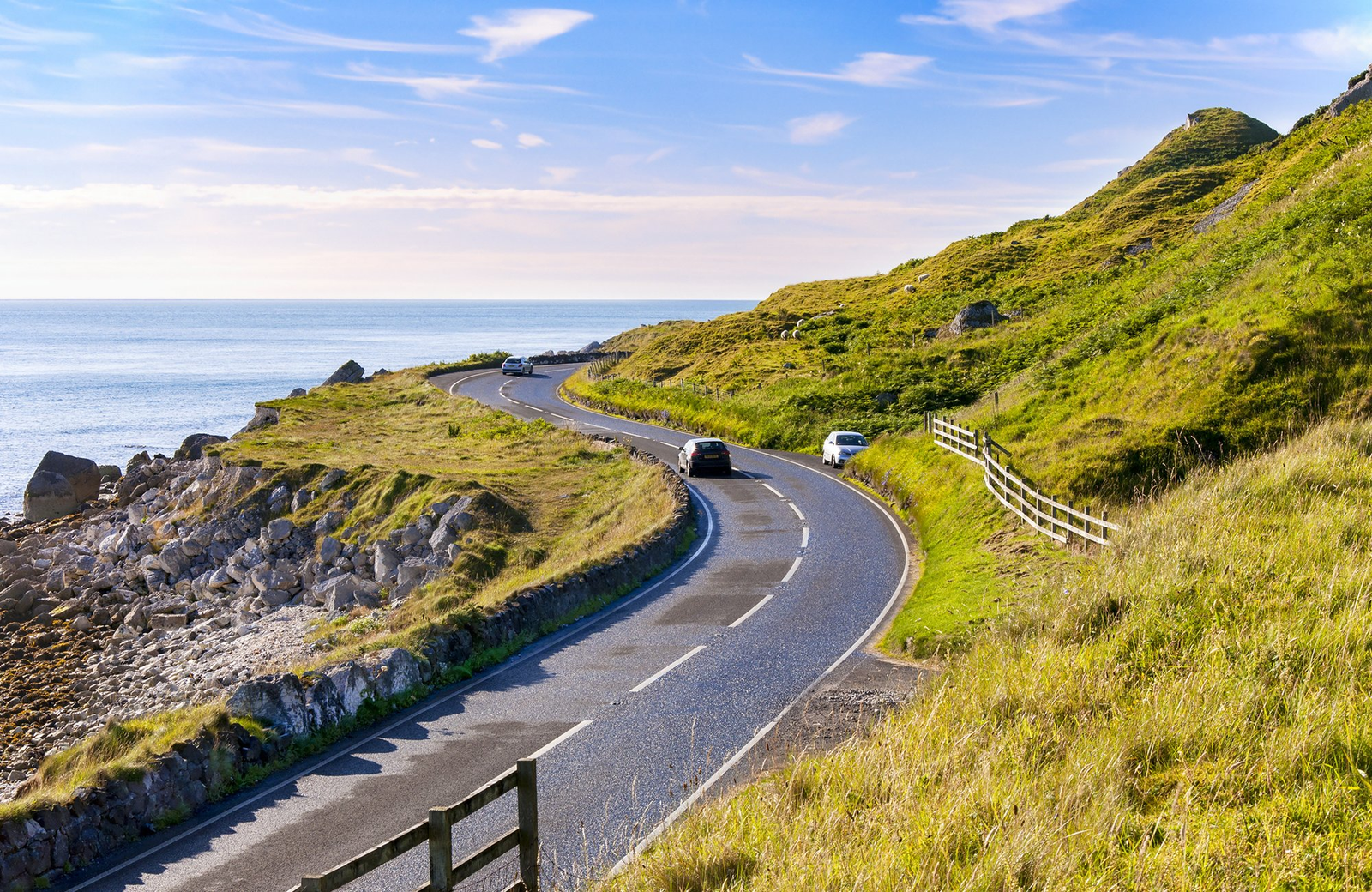
UK country roads are an important part of Britain’s transport network, connecting historic villages, rural communities, farms and beautiful countryside destinations. From the rolling hills of England to the dramatic landscapes of Scotland and Wales, these routes offer some of the most scenic driving experiences in the country. However, their narrow layouts, sharp bends and changing road conditions can make journeys challenging, particularly for drivers unfamiliar with rural environments.
Unlike motorways and busy urban streets, UK country roads often have limited street lighting, uneven surfaces, concealed entrances and restricted visibility. Some routes are wide enough for two vehicles, while others require motorists to use designated passing places to allow oncoming traffic through. Understanding speed limits, road signs, driving regulations and potential hazards is essential for anyone planning to explore Britain’s countryside by car.
What Are UK Country Roads?
UK country roads are rural routes that connect smaller towns, villages, farms and countryside attractions. They provide essential transport links for residents, agricultural workers, visitors and local businesses. Many have developed around historic settlements and traditional transport routes, which explains why their layouts can be considerably narrower and more complicated than modern roads.
These routes have several recognisable characteristics, including hedgerows, stone walls, narrow bridges, steep gradients and sharp bends. Some also have limited visibility because trees, buildings and roadside vegetation can obstruct the driver’s view. Their appearance and conditions vary considerably between regions, meaning motorists should always prepare for different driving experiences when exploring unfamiliar locations.
UK Country Roads Speed Limits Explained
Understanding speed restrictions is one of the most important aspects of rural driving. The national speed limit generally applies to many unrestricted countryside routes, but the permitted speed depends on the road classification and vehicle type. Drivers should always look for speed limit signs and understand which restrictions apply to their particular vehicle.
For cars and motorcycles, the national speed limit is generally 60 mph on single carriageways and 70 mph on dual carriageways. However, these figures represent maximum legal limits rather than recommended driving speeds. Weather, visibility, road width, traffic and unexpected obstacles can make travelling considerably slower the safest option.
National Speed Limit on Single and Dual Carriageways
On a single carriageway, the national speed limit for cars and motorcycles is generally 60 mph unless a different restriction is displayed. These roads usually have one carriageway carrying traffic in both directions, making careful positioning and awareness of approaching vehicles particularly important.
Dual carriageways generally have a 70 mph national speed limit for cars and motorcycles. Different limits apply to certain vehicles, including vans, buses and vehicles towing trailers. Motorists should check the applicable restrictions before travelling rather than assuming that every vehicle can follow the same speed limit.
Speed Limits in Villages and Rural Areas
When approaching villages, residential communities and built-up areas, drivers may encounter lower speed restrictions. Common limits include 20 mph and 30 mph, depending on the local environment and road signage. These restrictions help protect pedestrians, cyclists, children and other vulnerable road users.
Temporary speed limits may also appear near roadworks, schools and areas where additional safety measures are necessary. Drivers should pay attention to signs when entering a new location because restrictions can change within a short distance. Following the displayed limit is essential, even when the surrounding road appears quiet.
Why 60 mph Is Not Always Safe on Country Roads
The national speed limit does not mean that driving at 60 mph is always appropriate. A narrow lane with sharp bends, poor visibility and approaching traffic may require a much lower speed. Drivers must assess the conditions ahead and ensure they can stop safely within the distance they can see to be clear.
UK country roads can also contain unexpected hazards, including tractors, cyclists, animals and vehicles emerging from concealed entrances. Reducing speed before reaching a difficult section gives motorists additional time to react. Safe driving means choosing a suitable speed for the conditions rather than simply travelling at the maximum permitted limit.
Essential Driving Rules on UK Country Roads
The Highway Code provides important guidance for motorists travelling through rural areas. Drivers should keep to the left, maintain appropriate following distances and remain aware of other road users. Particular attention is necessary around narrow bridges, hidden junctions and bends where approaching traffic may be difficult to see.
Overtaking requires extra caution because many countryside routes have restricted visibility and limited space. Motorists should never attempt to overtake unless they can clearly see that the road ahead is safe and there is enough room to complete the manoeuvre. Patience, proper observation and responsible road positioning help prevent dangerous situations.
Understanding Passing Places on Single-Track Roads
Passing places are wider sections of road provided on narrow single-track routes. They allow two vehicles travelling in opposite directions to pass safely when the normal carriageway is too narrow. These features are particularly common in remote parts of Scotland, where roads often pass through mountainous and sparsely populated areas.
Drivers should use passing places appropriately and remain considerate when meeting approaching vehicles. Generally, motorists should pull into a passing place on their left or wait opposite one on their right, allowing the other vehicle to use it when appropriate. Passing places should never be treated as ordinary parking spaces because other road users may need them.
Common Hazards to Watch Out for on UK Country Roads
Rural driving involves several hazards that motorists may encounter less frequently on major roads. Blind bends, uneven surfaces, agricultural machinery, livestock and narrow bridges can create unexpected challenges. Drivers should remain alert and avoid assuming that a quiet countryside route will always be straightforward.
Weather conditions can make these journeys even more complicated. Rain, fog, snow and ice may reduce visibility and affect tyre grip, while fallen leaves and mud can create slippery surfaces. Understanding these risks before travelling helps motorists prepare properly and make safer decisions throughout their journeys.
Blind Bends and Narrow Lanes
Blind bends are common on traditional countryside routes, particularly where roads pass between hedgerows, trees and stone walls. They can prevent motorists from seeing approaching traffic until they are relatively close. Drivers should reduce speed before entering a bend and remain positioned safely within their side of the carriageway.
Narrow lanes can also make meeting larger vehicles difficult, especially when there are limited passing opportunities. Motorists should avoid cutting corners and remain prepared to stop when necessary. Careful driving requires patience because safe progress sometimes depends on allowing another driver enough room to pass.
Farm Vehicles and Agricultural Machinery
Tractors, trailers and other agricultural vehicles regularly travel along rural routes, particularly during planting and harvesting seasons. These vehicles may move slowly, occupy considerable road space and occasionally turn into concealed farm entrances. Motorists should maintain a safe distance rather than attempting to overtake impatiently.
Agricultural activity can also leave mud, gravel and other materials on the carriageway. These substances may affect tyre grip, especially during wet weather. Drivers should watch for warning signs, reduce speed when approaching farm entrances and give agricultural workers sufficient space to operate safely.
Animals and Livestock
Sheep, cattle, horses and wildlife are familiar sights throughout the British countryside. Animals may suddenly enter the carriageway, particularly near open fields, farms and livestock crossing points. Drivers should slow down, remain calm and avoid making sudden movements that could frighten animals or create additional hazards.
Horse riders and cyclists also use rural routes, so motorists should provide sufficient passing space. Extra attention is necessary around livestock gates and areas where animals regularly move between fields. Being patient and considerate helps protect both people and animals sharing countryside roads.
Poor Road Surfaces and Weather Conditions
Potholes, loose gravel, flooding and uneven surfaces can make rural journeys uncomfortable and potentially hazardous. Some smaller roads receive less frequent maintenance than major transport routes, meaning drivers may encounter unexpected surface damage. Maintaining an appropriate speed helps reduce the risk of losing control.
Weather conditions can further affect road safety. Heavy rain may cause flooding, while fog reduces visibility and ice makes braking more difficult. Before travelling, motorists should check the weather forecast, allow additional journey time and avoid entering flooded sections when the depth or condition of the water is uncertain.
How to Drive Safely on UK Country Roads
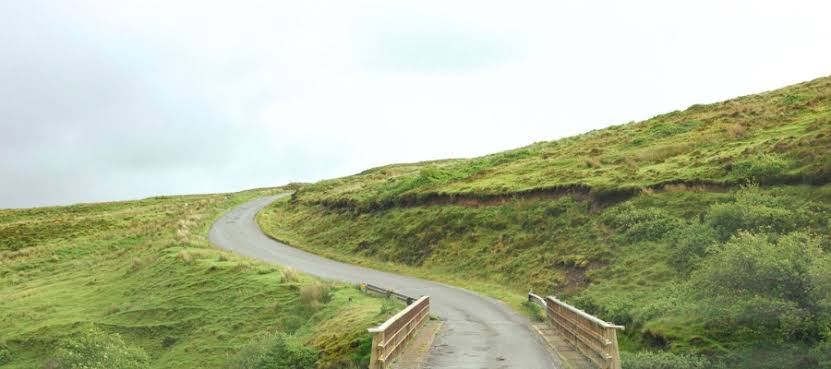
Safe rural driving begins before the journey starts. Motorists should check their route, vehicle condition and expected weather, particularly when travelling through remote locations. Planning ahead can help identify difficult sections, road closures and alternative routes that may be useful during unexpected situations.
While travelling, drivers should maintain a suitable speed, watch for warning signs and avoid distractions. These routes demand consistent concentration because visibility and road conditions can change quickly. Maintaining a safe following distance, braking smoothly and anticipating potential hazards can make countryside journeys more comfortable and predictable.
UK Country Roads Across England, Scotland, Wales and Northern Ireland
Britain has a diverse rural landscape, and its road network reflects these geographical differences. Some routes pass through flat agricultural fields, while others cross mountainous terrain, valleys, forests and coastal areas. Each region offers different scenery and driving experiences.
UK country roads connect many popular countryside destinations, including national parks, historic villages and remote attractions. However, motorists should recognise that road width, gradients, weather and visibility can vary considerably. Preparing for regional conditions makes exploring the countryside easier and safer.
Country Roads in England
English countryside routes frequently pass through traditional villages, farmland and historic landscapes. Hedgerows, stone walls, narrow bridges and concealed entrances are common features, particularly in areas with older road networks.
The Cotswolds, Yorkshire Dales and Lake District offer popular rural driving experiences. Visitors should remain alert around pedestrians, cyclists, farm vehicles and narrow village streets. Allowing additional time for journeys can make exploring these destinations more enjoyable.
Country Roads in Scotland
Scotland has spectacular rural routes through the Highlands, mountain passes, forests and coastal landscapes. Some roads are particularly narrow and include single-track sections where passing places are essential for managing oncoming traffic.
Motorists travelling through remote Scottish areas should check weather conditions and plan fuel and rest stops carefully. Traffic Scotland also provides useful guidance about rural road safety, passing places and travelling through challenging countryside environments.
Country Roads in Wales
Welsh rural routes pass through mountains, valleys, forests and small countryside communities. Many contain winding sections, steep gradients and limited visibility, making careful speed management particularly important.
Rainfall and changing weather can affect driving conditions throughout the year. Motorists should approach unfamiliar bends carefully, watch for livestock and allow additional time when travelling through mountainous areas.
Country Roads in Northern Ireland
Northern Ireland has numerous rural routes connecting villages, farms, coastal communities and countryside attractions. Smaller roads may contain sharp bends, narrow sections and concealed junctions that require additional attention.
Drivers should remain alert around agricultural entrances, livestock crossings and changing road surfaces. Checking local speed restrictions and adapting driving behaviour to the conditions can help make countryside journeys safer and more predictable.
Conclusion
UK country roads offer beautiful landscapes, valuable connections between rural communities and opportunities to explore some of Britain’s most attractive destinations. However, their narrow layouts, sharp bends, agricultural traffic and changing weather conditions require careful attention from every motorist.
Understanding speed limits, following the Highway Code and recognising common hazards can make rural journeys considerably safer. Remember that the national speed limit is not always the appropriate speed for every situation. Whether travelling through England, Scotland, Wales or Northern Ireland, patience, preparation and responsible driving are essential for enjoying the British countryside.
Frequently Asked Questions
What is the national speed limit on UK country roads?
The national speed limit for cars and motorcycles is generally 60 mph on single carriageways and 70 mph on dual carriageways, unless lower restrictions are displayed.
Why are UK country roads often so narrow?
Many rural roads developed around historic villages, farms and traditional transport routes, meaning their original layouts were not designed for modern traffic volumes.
Can you drive at 60 mph on country roads in the UK?
Yes, where the national speed limit applies, but drivers must choose a safe speed according to visibility, road conditions and potential hazards.
Who has priority on single-track country roads?
Drivers should use passing places and give way appropriately, following Highway Code guidance rather than assuming they always have priority.
Are UK country roads dangerous for inexperienced drivers?
They can be challenging because of narrow lanes, blind bends and unexpected hazards. Learner drivers should practise rural driving with a qualified supervisor or instructor.