London Charges 2026: Congestion Charge, ULEZ Fees and Payment Guide
Driving in London can be convenient, but understanding London charges is essential before starting your journey. These fees apply to certain vehicles entering designated areas or using specific roads. The amount you pay depends on your vehicle, destination, travel date and applicable charging rules. Planning ahead helps motorists manage their budgets, avoid unexpected expenses and understand their responsibilities when travelling around the capital.
Transport for London (TfL) administers several important charging schemes, including the Congestion Charge, Ultra Low Emission Zone (ULEZ) and Low Emission Zone (LEZ). Some journeys may also involve tolls for the Blackwall and Silvertown tunnels. These schemes have different purposes, operating conditions and payment requirements, meaning one payment does not necessarily cover every charge. This guide explains the main fees, payment methods, exemptions and penalties to help residents, commuters and visitors prepare for driving in London.
What Are London Charges?
London charges are fees that apply to particular vehicles travelling within designated areas or using specific roads and infrastructure. They are designed to manage traffic congestion, improve air quality and encourage the use of cleaner vehicles. Some fees depend on where and when you drive, while others depend primarily on your vehicle’s emissions standards. Understanding these differences is important because a vehicle may be exempt from one scheme but still be required to pay another.
The rules vary according to vehicle category, registration details and individual circumstances. For example, a compliant car may avoid the ULEZ charge but still incur the Congestion Charge when entering central London during charging hours. Similarly, drivers of certain commercial vehicles must consider LEZ requirements. Checking the official TfL website before travelling is one of the most reliable ways to establish which London charges apply to your journey and how much you may need to pay.
London Congestion Charge 2026: Fees and Timings
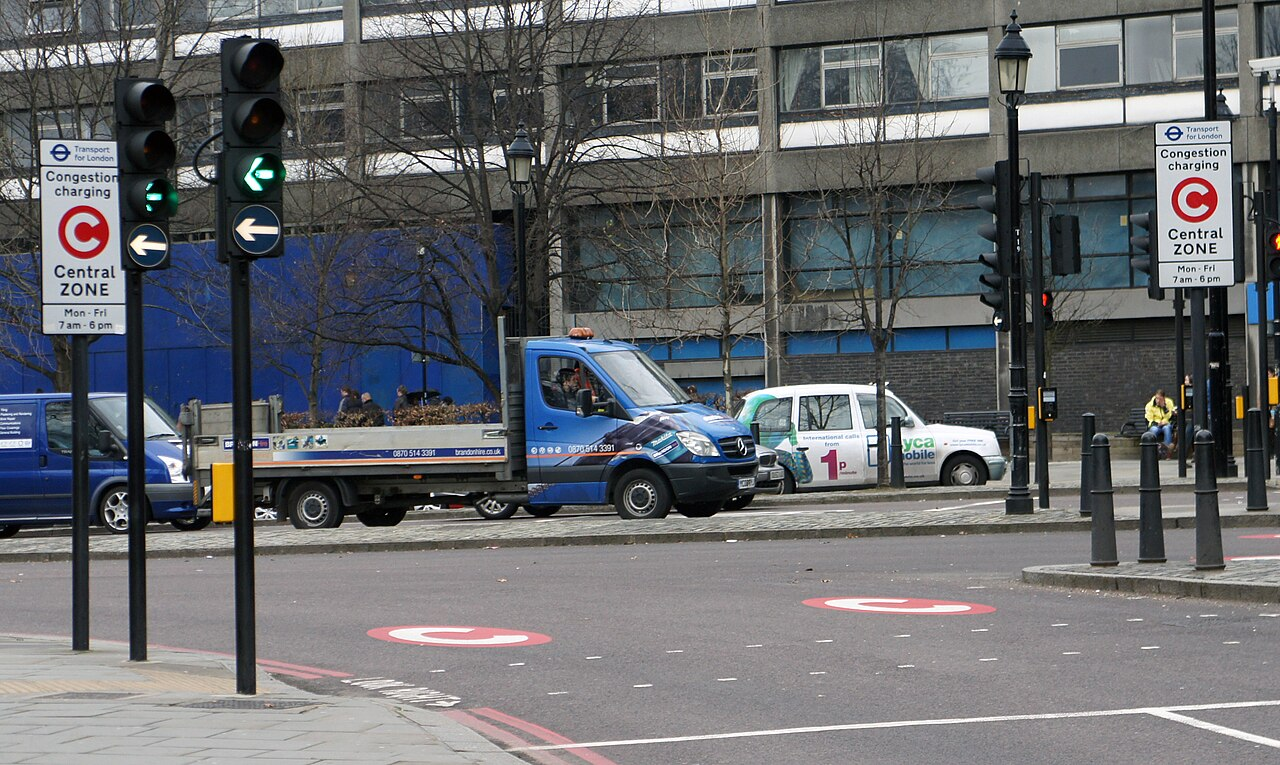
The Congestion Charge applies to vehicles driving within a designated area of central London during specified charging hours. The standard daily charge in 2026 is £18 when paid in advance or on the day of travel. If payment is made by midnight on the third day after travelling, the charge is £21. Drivers should check the latest official guidance before setting off because payment arrangements, discounts and other conditions can affect individual journeys.
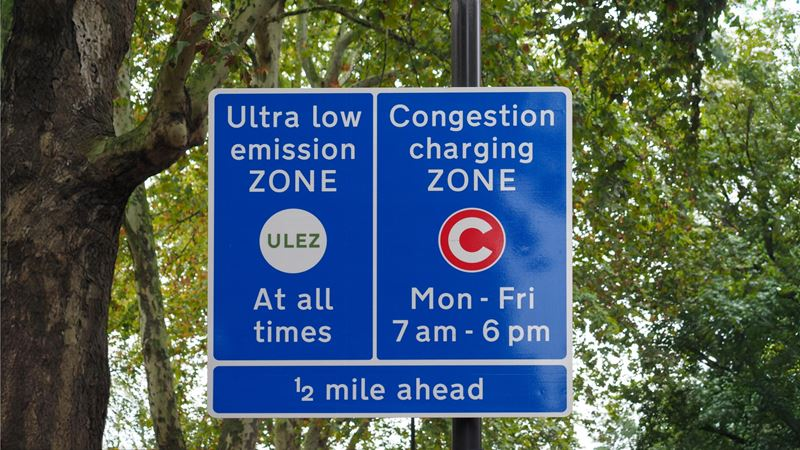
The standard charging hours are 7 am to 6 pm from Monday to Friday and midday to 6 pm at weekends and on bank holidays. The charge does not apply between Christmas Day and the New Year bank holiday, inclusive. Automatic number plate recognition cameras help identify vehicles entering the zone, so drivers should not assume that a brief visit means no payment is required. Check the official Congestion Charge information to confirm the current rules.
ULEZ Charges in London
The Ultra Low Emission Zone covers London boroughs and operates around the clock, every day except Christmas Day. Its purpose is to reduce harmful emissions by encouraging motorists to use vehicles that meet the required environmental standards. The daily ULEZ charge is generally £12.50 for a vehicle that does not meet those standards and is not exempt. The charge is based on the relevant vehicle requirements, rather than simply whether the vehicle uses petrol or diesel.
Most petrol cars meeting the Euro 4 standard and diesel cars meeting the Euro 6 standard generally comply, although individual vehicles should always be checked. Motorcycles, vans and other vehicle categories may have different requirements. Drivers can use the official ULEZ guide to check their registration details, understand the zone boundary and review possible exemptions. Confirming compliance before travelling can help motorists avoid unnecessary London charges and reduce the risk of receiving a penalty notice.
Low Emission Zone Charges for Larger Vehicles
The Low Emission Zone mainly affects larger commercial vehicles, including certain lorries, buses, coaches and specialist vehicles. Its purpose is to reduce emissions from vehicles that can contribute significantly to air pollution. Unlike the ULEZ, which affects many private cars and smaller vehicles, the LEZ focuses on specific larger vehicle categories. The applicable charge depends on the vehicle type and whether it meets the emissions standards established for that category.
Owners of commercial fleets should check compliance before sending vehicles into London, particularly when operating across multiple boroughs or completing regular deliveries. Meeting the requirements of one charging scheme does not automatically guarantee compliance with another. Vehicle operators should review the official TfL guidance, confirm their registration details and investigate any relevant discounts or exemptions. This preparation helps businesses budget accurately, plan routes efficiently and reduce the likelihood of unexpected London charges or penalties.
Blackwall and Silvertown Tunnel Charges
Drivers using the Blackwall and Silvertown tunnels may need to pay a separate toll, depending on the vehicle and applicable charging conditions. These river crossings have their own payment arrangements, which are distinct from the Congestion Charge and emissions-based schemes. Consequently, a driver should not assume that paying one London road charge automatically covers the cost of using a tunnel. Checking the planned route before departure is particularly useful for commuters and visitors unfamiliar with London’s road network.
Tunnel charges can depend on vehicle category and the relevant toll rules. Drivers should review current rates, payment deadlines and available payment options through the official TfL website before travelling. It is also sensible to confirm whether a navigation app has selected a route through a chargeable crossing. Understanding these costs in advance makes it easier to compare alternative routes, estimate journey expenses and avoid missing a required payment after using the tunnels.
How to Pay London Charges Online
TfL provides online services that allow drivers to check and pay applicable charges. Before making a payment, identify the scheme relevant to your journey and confirm the travel date and vehicle registration. You should also establish whether the vehicle meets the required emissions standards. Entering accurate details is important because an incorrect registration number or travel date can create confusion and may lead to problems when checking whether the required payment has been recorded.
The official TfL Pay to Drive in London service provides information about payments for the Congestion Charge, ULEZ, LEZ and tunnel charges. Follow the instructions for the relevant scheme and retain your confirmation or payment reference. Avoid unfamiliar websites that imitate official services or add unnecessary fees. If you drive in London regularly, check whether an eligible Auto Pay arrangement would simplify payments, while remembering that registration conditions and London charges can vary between schemes.
London Charges, Exemptions, Discounts and Penalties
Some vehicles and drivers may qualify for discounts or exemptions, but the rules depend on the particular charging scheme. A vehicle that meets the ULEZ emissions standards generally does not need to pay the ULEZ charge, while separate rules determine eligibility for Congestion Charge discounts. Certain arrangements require registration with TfL and supporting documentation. Drivers should never assume that a discount automatically applies to every scheme or that an exemption is valid before the required registration has been completed.
Failing to pay an applicable charge can result in a Penalty Charge Notice. The original road fee and the penalty are different amounts, and the rules for payment or challenging a notice depend on the scheme concerned. If a notice arrives, carefully check the vehicle details, journey information and instructions provided. Use the official TfL process to pay or challenge it within the stated timeframe. Keeping payment records and checking deadlines in advance can help motorists avoid unnecessary complications and manage London charges responsibly.
Tips for Avoiding Unnecessary London Driving Costs
Planning your route is one of the simplest ways to manage driving expenses in the capital. Before setting off, check whether your destination falls within the Congestion Charge zone, whether your vehicle meets ULEZ requirements and whether your route uses a chargeable tunnel. Confirm the relevant operating hours and payment deadlines as well. These checks are particularly valuable for occasional visitors, drivers travelling from outside London and motorists unfamiliar with the boundaries of different charging areas.
Where practical, consider public transport, walking or cycling for journeys into busy areas. If driving is necessary, use official TfL tools, keep payment confirmations and investigate any discounts for which you may qualify. Do not rely entirely on old online articles or navigation apps when checking current fees, because rules and rates can change. A few minutes of preparation can help you estimate London charges, choose an appropriate route and avoid unexpected penalties.
Conclusion
Understanding London charges in 2026 helps drivers prepare for journeys, manage expenses and comply with local road regulations. The Congestion Charge applies during designated hours in central London, while the ULEZ focuses on vehicles that do not meet required emissions standards. The LEZ mainly affects certain larger vehicles, and separate tolls may apply when using the Blackwall and Silvertown tunnels. Because these schemes have different rules, motorists should check each relevant charge independently before travelling.
For the most reliable information, use official TfL services to check vehicle compliance, charging boundaries, payment deadlines and current rates. Make sure your registration details are accurate and retain proof of payment whenever possible. Whether you live in London, commute into the capital or are visiting from elsewhere, planning ahead can help you understand London charges, avoid unnecessary costs and enjoy a smoother journey.
Frequently Asked Questions
How much is the London Congestion Charge in 2026?
The standard charge is £18 when paid in advance or on the travel day, increasing to £21 when paid by midnight on the third day after travel.
How much is the ULEZ charge in London?
The standard ULEZ charge is £12.50 per charging day for a vehicle that does not meet the required emissions standards and is not exempt.
Do I have to pay both the Congestion Charge and ULEZ?
You may need to pay both if you enter the Congestion Charge zone and your vehicle does not meet ULEZ requirements.
How can I check whether my vehicle needs to pay London charges?
Use the official TfL website to check your vehicle registration, emissions compliance and the location of the relevant charging zones.
What happens if I forget to pay London charges?
You may receive a Penalty Charge Notice. Check the relevant scheme’s payment deadline and follow the official instructions for paying or challenging the notice.