Curtain Bangs: How to Style Them and Find the Perfect Look for Your Face Shape
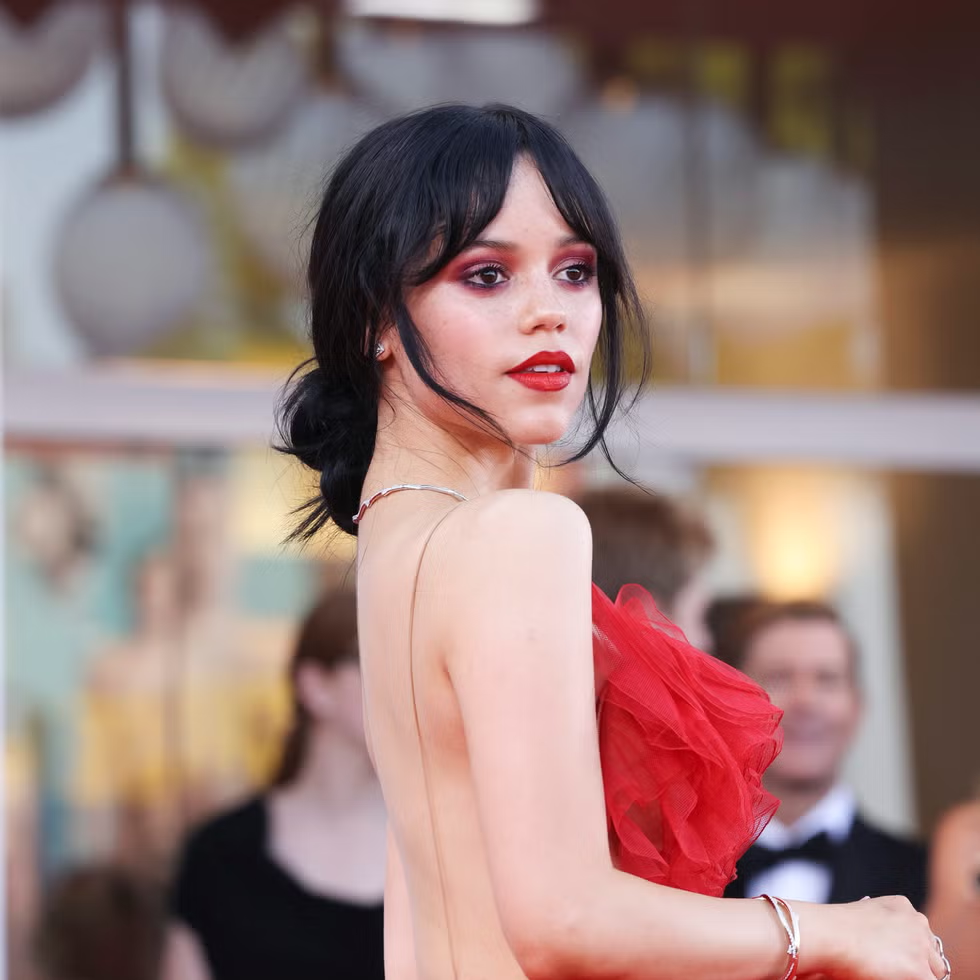
Curtain bangs are a versatile hairstyle featuring a centre or slightly off-centre parting, with hair sweeping towards either side of the face. Inspired by open curtains, this fringe creates a soft frame that blends naturally into the remaining hair. Unlike a blunt fringe, it offers a relaxed finish and can complement different lengths, textures and personal styles, making it an appealing choice for anyone considering a fresh haircut.
One reason this hairstyle remains popular is its flexibility. You can pair it with a sleek bob, shoulder-length layers or long, flowing hair, depending on your preferences. The front sections can be subtle or more defined, while the sides blend into the rest of the cut. Understanding the available shapes can help you choose a style that suits your hair, personal taste and everyday routine.
Why Are Curtain Bangs So Popular?
The appeal of curtain bangs comes from their ability to refresh a hairstyle without requiring a dramatic transformation. Their parted shape creates movement around the forehead and cheekbones, while the longer sides blend into the surrounding hair. This makes them suitable for casual days, professional settings and special occasions, particularly when the cut is tailored to individual preferences.
Another advantage is the flexibility of the growing-out stage. As the hair gets longer, the front sections can gradually merge with face-framing layers. Although regular maintenance remains important, this transition can be easier than growing out some shorter fringes. The style also works with polished blow-dries, relaxed waves and natural textures, offering plenty of ways to change your appearance without committing to an entirely new haircut.
How to Choose Curtain Bangs for Your Face Shape
Your face shape can guide your choice of fringe length, but it should not be the only consideration. Hair texture, density, natural growth patterns and personal preference all influence the result. A professional stylist can assess these details and recommend a shape that complements your existing haircut. Bringing reference photographs to your appointment can also help communicate whether you prefer a wispy finish or a fuller frame.
For round faces, longer sections sweeping towards the cheekbones may create a balanced appearance. Oval faces can often accommodate several lengths, while feathered edges may complement square faces. Heart-shaped faces may suit tapered sides, whereas fuller styles can work well for longer faces. These are general suggestions rather than strict rules, so choose a shape that feels comfortable and reflects your personal style.
Different Types of Curtain Bangs to Try
Classic curtain bangs feature a centre parting, shorter sections near the middle and longer pieces that curve towards the sides. Wispy versions offer a lighter finish, allowing more of the forehead to remain visible. Longer variations blend into the surrounding hair, making them a practical choice for anyone who wants a subtle change rather than a sharply defined fringe.
Layered and voluminous options provide further styling possibilities. Layers can connect the front sections with the rest of the haircut, creating movement throughout the hair. A fuller finish can be achieved with careful blow-drying and root-lifting techniques. Consider pairing your preferred variation with a butterfly haircut, a textured bob or long layers, while keeping your usual styling time and salon visits in mind.
Curtain Bangs for Different Hair Types
Straight hair can benefit from a rounded blow-dry that encourages the fringe to curve away from the face. A round brush or Velcro roller can create lift at the roots while keeping the ends soft. For wavy hair, a relaxed finish can work with the natural texture and reduce the need for extensive styling. Lightweight products may help maintain separation without making the front sections feel heavy.
Curly hair requires attention to curl patterns and shrinkage, as the finished fringe may appear shorter once dry. A stylist experienced with curls can recommend a suitable length and shape. Thick hair may benefit from carefully placed layers to manage bulk, while fine hair often needs a more conservative approach to layering. Consider how your hair behaves naturally and how much daily styling you prefer before choosing a cut.
How to Style Curtain Bangs at Home
Start with slightly damp hair and apply heat protectant if you plan to use a hairdryer. Direct the fringe forwards over the forehead first, moving the hair from side to side as you dry it. This can help reduce unwanted parting lines and encourage lift at the roots. When the hair is nearly dry, use a round brush to guide each side away from the face.
For a softer finish, place a large Velcro roller at the roots while the hair cools. Remove it gently and separate the sections with your fingers to create natural movement. A small amount of lightweight styling spray can help maintain the shape throughout the day. Avoid using too much product near the roots, as this can flatten the hair and make the fringe appear oily.
Best Products and Tools for Styling
A round brush, a reliable hairdryer and a few suitable styling products can make daily styling easier. A medium-sized brush offers control over the curve, while a larger brush can create a softer finish. Velcro rollers are useful for adding lift at the roots, particularly if you want a bouncy look without repeatedly using heated tools. Choose equipment that feels comfortable and suits the length of your fringe.
Product choice matters because the front sections can become weighed down quickly. Lightweight mousse may add volume, while texturising spray can encourage separation and movement. Heat protectant is advisable when using heated tools, and flexible-hold hairspray can help preserve the shape without making it stiff. Start with small quantities and add more only if needed. Choosing products for your hair type can help prevent unwanted build-up.
How to Maintain Your Fringe
Regular maintenance helps keep the fringe balanced as it grows. The frequency of trims depends on the original length, your preferred shape and how quickly your hair grows. Shorter styles may need more frequent attention, while longer variations can often be left for longer between appointments. Ask your stylist for guidance based on the cut you have chosen.
Daily care can be straightforward if you manage oil and humidity before they affect the style. When the roots become flat, refresh the front sections with a brush or wash them separately if needed. Avoid applying heavy conditioner or styling cream directly to the roots, as these products may reduce volume. If the fringe starts falling awkwardly during the growing-out stage, changing the parting or using hair accessories can help.
Common Styling Mistakes to Avoid
One common mistake is choosing a fringe solely because it looks attractive in a photograph. Hair density, natural texture and growth patterns can significantly affect the result, so consider whether the style suits your everyday routine. Cutting the fringe too short can also make it difficult to achieve the intended curve. If you are uncertain about the right length, ask a professional stylist to adapt the shape to your hair.
Excessive heat and heavy products can create additional problems. Too much product may flatten the roots, while repeated high-temperature styling without protection can contribute to dryness and damage. Another mistake is separating the fringe before the roots have been shaped, which can make the finish harder to control. Use gentle techniques, start with small amounts of product and practise until you find a routine that works for you.
Curtain Bangs Trends and Hairstyle Ideas for 2026
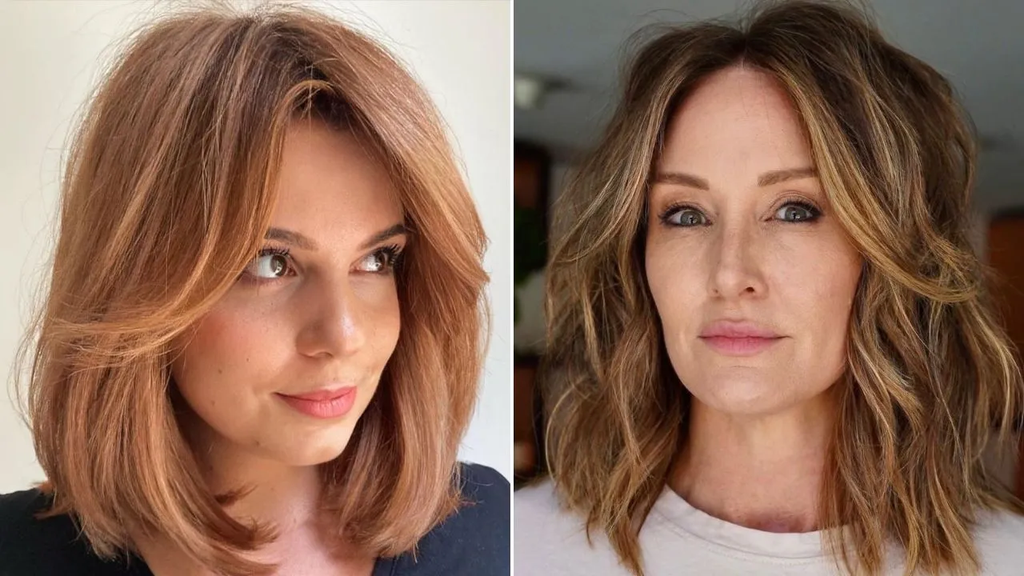
Modern hairstyle inspiration includes soft, textured fringes, bouncy blow-dries and face-framing layers that move naturally. Longer variations can complement butterfly haircuts and flowing lengths, while shorter styles can add definition to a bob or shoulder-length cut. Wispy finishes offer a lighter alternative for people who prefer a subtle change. Treat trends as inspiration rather than rules, and adapt ideas to your natural hair and preferences.
Personalisation is more useful than copying a look exactly. Consider whether you prefer a polished finish, relaxed waves or natural texture before deciding on a cut. Discuss maintenance with your stylist and explain how much time you usually spend getting ready. A successful hairstyle should work with your hair, feel comfortable to wear and remain manageable between appointments, rather than requiring constant effort to recreate.
Conclusion
Curtain bangs offer a versatile way to refresh your hairstyle while creating a soft frame around the face. By considering your face shape, hair texture, preferred length and daily routine, you can choose a variation that complements your individual style. From wispy fringes to fuller, layered looks, there are plenty of options to explore without changing your entire haircut.
Simple blow-drying techniques, suitable styling products and occasional trims can help maintain the desired shape. If you are unsure which variation will work best, consult a professional stylist for personalised advice. With a suitable cut and a manageable routine, you can enjoy a fresh, natural-looking hairstyle that fits comfortably into everyday life.
Frequently Asked Questions
What face shape suits curtain bangs?
They can complement most face shapes when the length and layers are tailored to individual features.
Are curtain bangs easy to maintain?
They can be manageable with a simple styling routine and occasional trims.
Do curtain bangs work with curly hair?
Yes, but curl patterns and shrinkage should be considered when choosing the length.
How do you style curtain bangs at home?
Use a round brush to direct damp hair away from the face, then finish with a lightweight styling product.
How long do curtain bangs take to grow out?
Growth varies, but noticeable changes in length generally take several months.